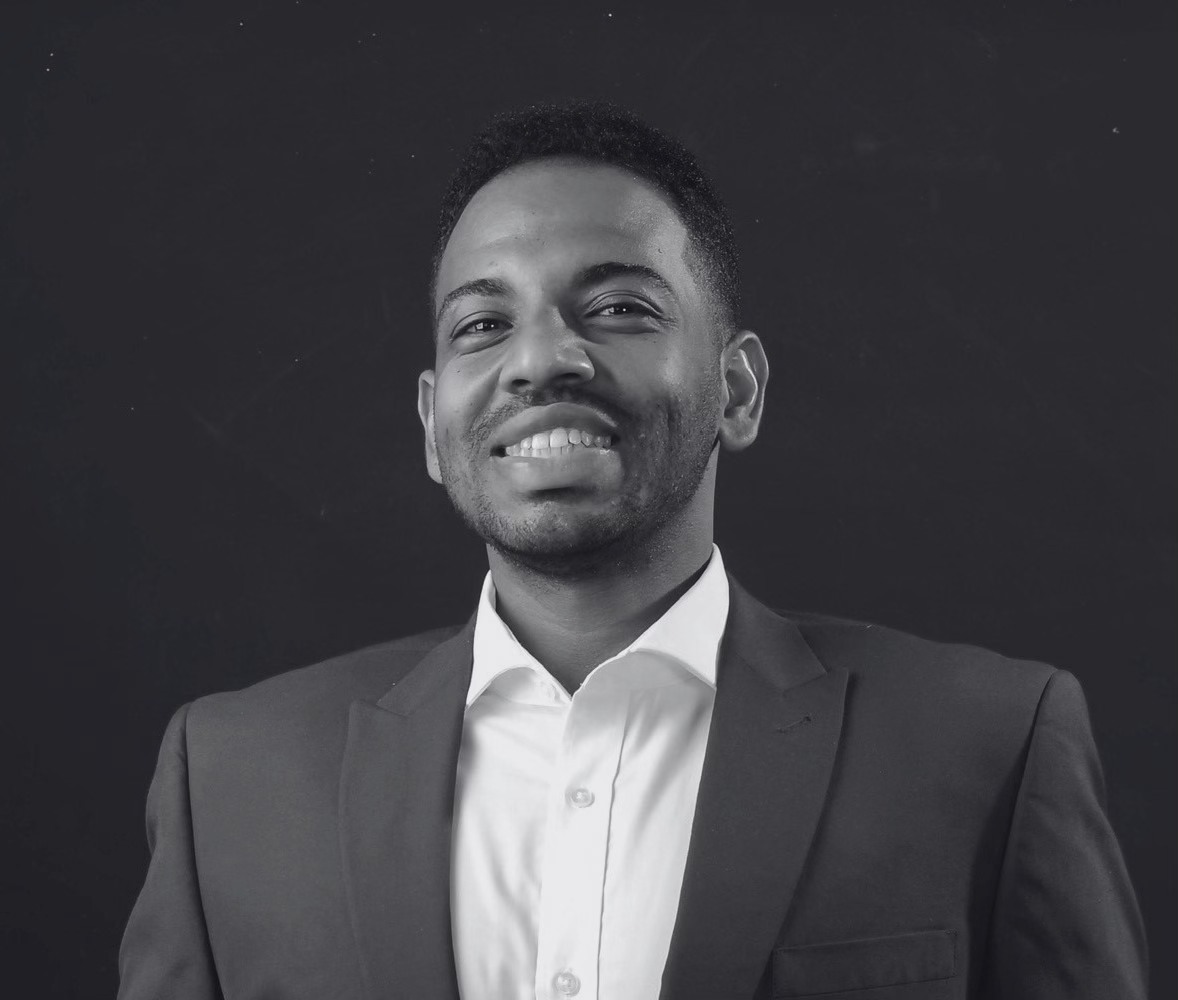
A Life Dedicated to Sudan's Democratic Future
Hamid Murtada Khalafallah was a brilliant Sudanese researcher, policy analyst, and development practitioner whose work illuminated the path toward democracy and justice in Sudan. His academic rigor, combined with deep personal commitment to his homeland, made him a leading voice on Sudanese politics, democratization, and grassroots movements.
At the time of his passing in April 2026, Hamid was pursuing his PhD in Development Studies at the Global Development Institute, University of Manchester, where he researched democratic transitions and grassroots movements in Africa. His work bridged the worlds of academic scholarship and practical policy analysis, always centering the voices and aspirations of ordinary Sudanese people.
To my beloved Sudan,
— Dedication from Hamid's award-winning master's dissertation, 2019
The land in which most my life's pain and hardships originated,
yet the ultimate source of my pride, hope and happiness.
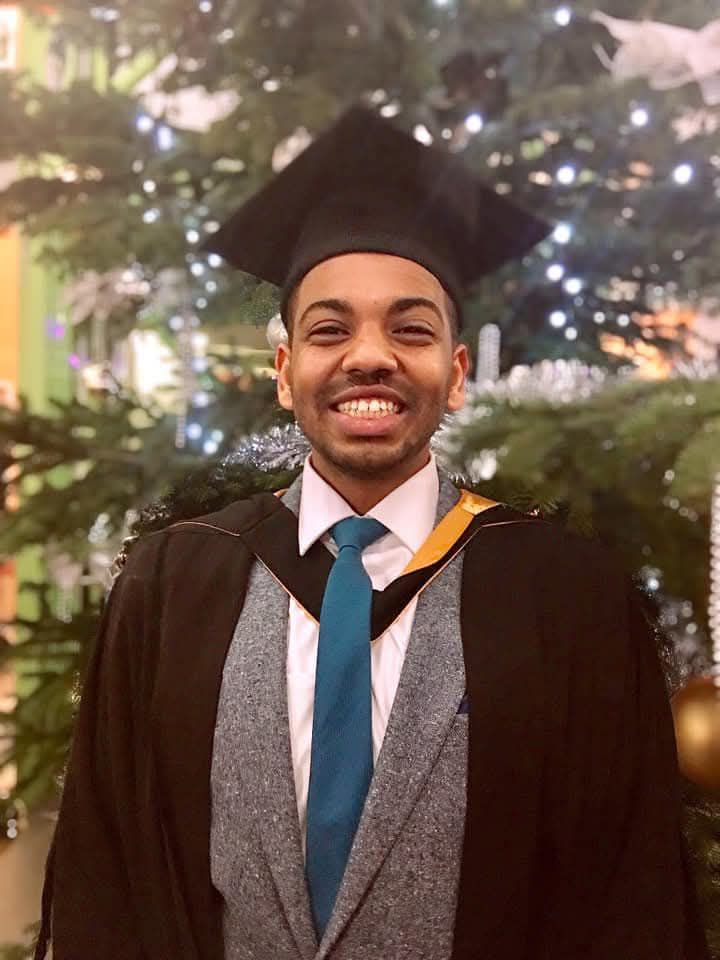
A Scholar of Distinction
Hamid's academic excellence was recognized early in his career. As a Chevening Scholar at the University of Bradford, he completed his Master's degree in International Development Management with such distinction that his dissertation won the prestigious 2019 UK Development Studies Association (DSA) Best Master's Dissertation Award.
The judges praised his work for its "very good analysis of the complex picture of different actors and their motives" and noted it was "carefully researched, including with primary sources." His dissertation examined the role of development NGOs operating under authoritarian regimes, using Sudan as a case study—a topic that would define much of his subsequent research.
Beyond his formal academic achievements, Hamid was a prolific writer and commentator. He published extensively with leading policy institutions including the Tahrir Institute for Middle East Policy (TIMEP), where he served as a Nonresident Fellow, Democracy for the Arab World Now (DAWN), Just Security, and numerous other platforms. His articles combined scholarly depth with accessible analysis, making complex political dynamics understandable to diverse audiences.
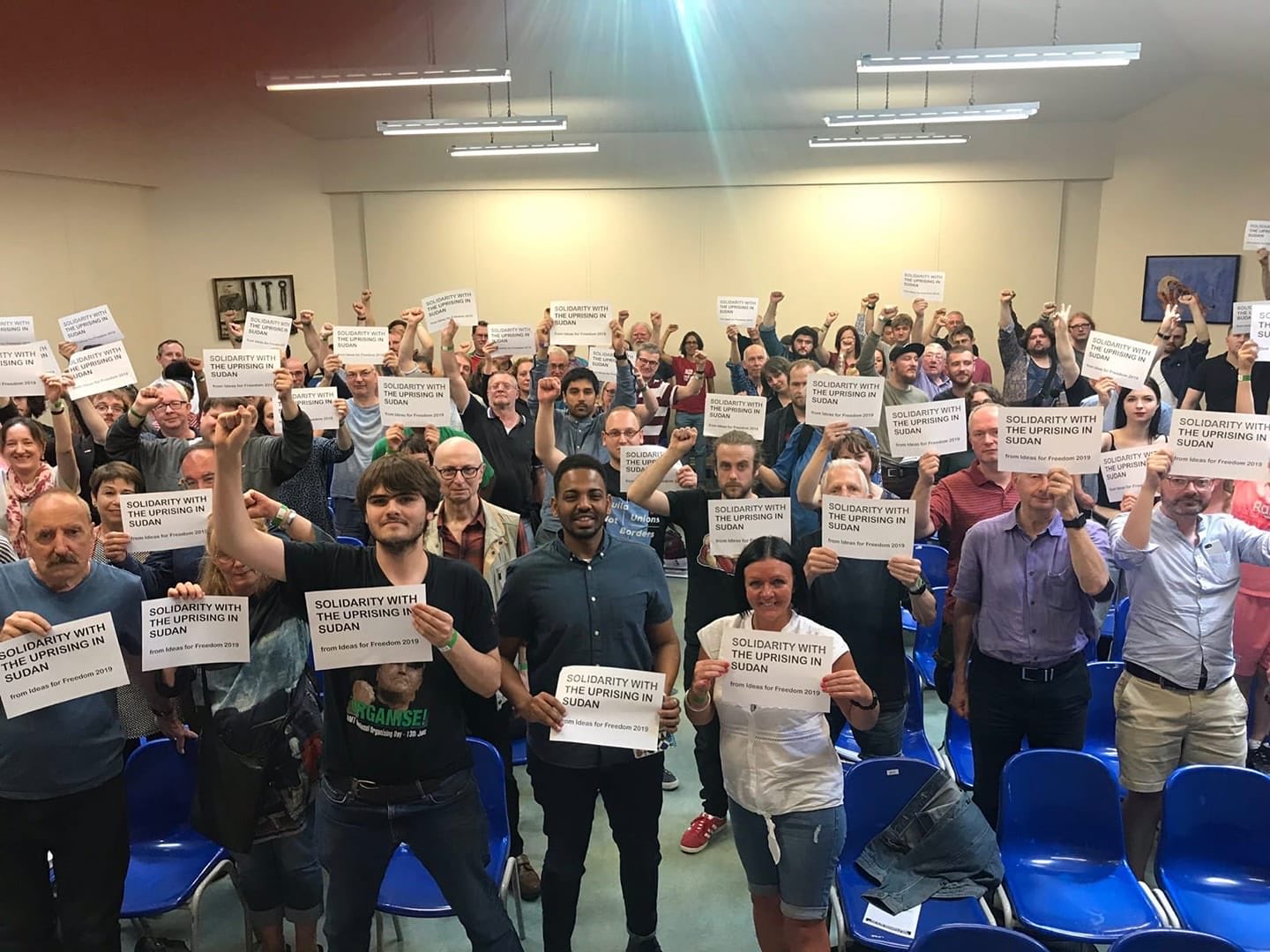
Activist and Organizer
Long before his academic career, Hamid was deeply engaged in grassroots activism and community organizing in Sudan. As early as 2012, he was part of the SudanRevolts collective, documenting and participating in protests against austerity measures and authoritarian rule. This early activism shaped his understanding of social movements and civil resistance that would later become central to his scholarly work.
Throughout his life, Hamid remained committed to volunteer work and community service. He served as a Trustee and Director of Resources for Nile Swimmers (2011-2026), where he helped lead drowning prevention projects for vulnerable children in South Sudanese refugee camps. He also worked with the Sudan Scouts Association and co-founded To Sudan With Love, a charity dedicated to community development projects across Sudan.
This combination of activism and scholarship distinguished Hamid's approach—he was not merely an observer of Sudan's political struggles but an active participant in building the democratic future he envisioned.
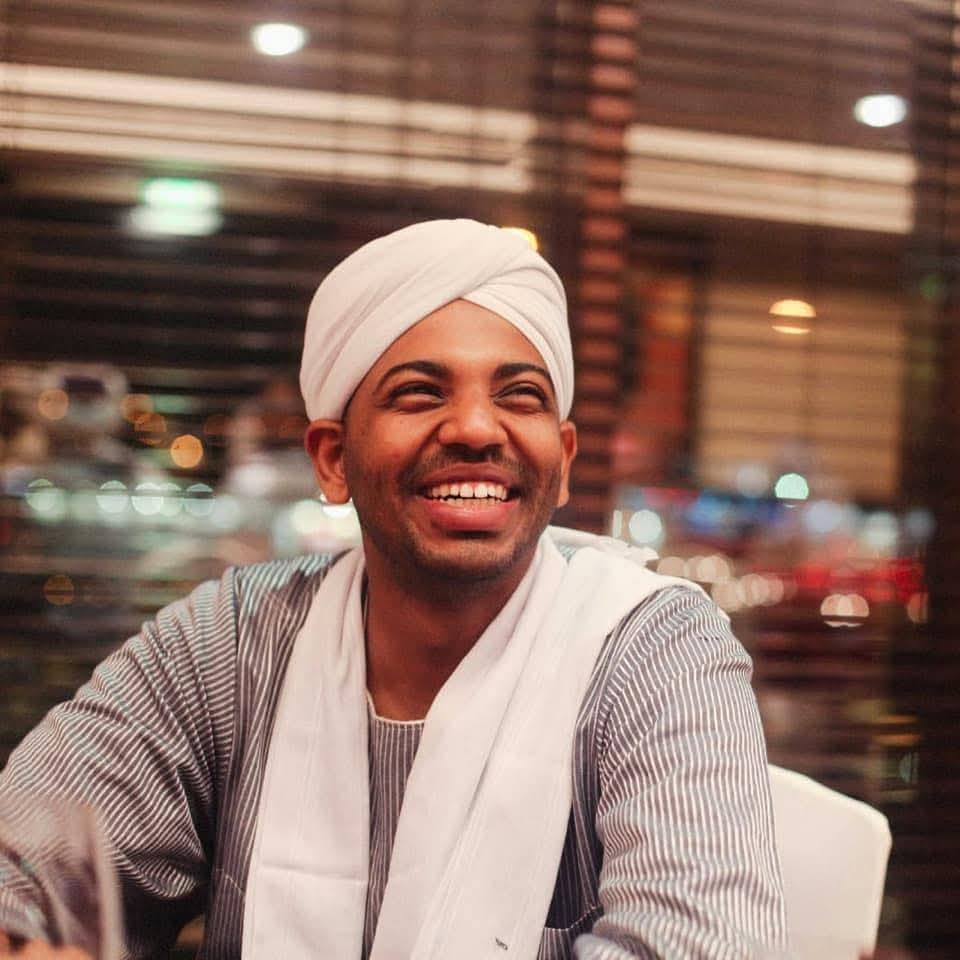
Voice for Democracy and Justice
Hamid's work consistently centered on a core principle: that the Sudanese people's aspirations for democracy must not be subordinated to narrow security interests or elite power struggles. In his words, "People in Sudan are always asked to tone down their aspirations for democracy and to focus on security." He refused to accept this false choice.
As Sudan descended into devastating conflict in 2023, Hamid's analysis became increasingly vital. He documented the systematic targeting of pro-democracy activists, the role of international actors, the failures of mediation efforts, and the resilience of grassroots civilian networks providing aid amid catastrophe. He appeared on CNN with Christiane Amanpour, spoke on numerous podcasts, and participated in academic panels—always amplifying civilian voices and demanding accountability.
His research on resistance committees' political charters, the dynamics of post-coup mediation, and the impact of war on Sudan's democracy movement provided crucial insights for policymakers, researchers, and activists alike. He was not content to merely analyze from a distance; his work was deeply informed by his connections to Sudan and his commitment to its people.
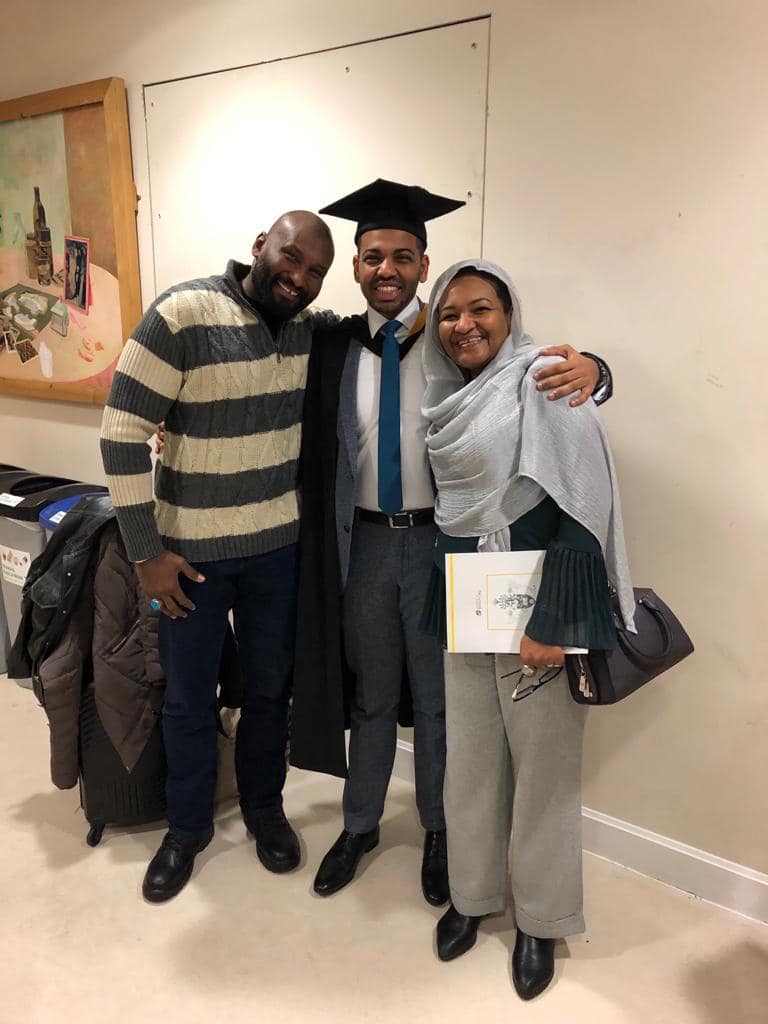
A Legacy of Hope and Scholarship
Hamid was also an alumnus of the Young African Leaders Programme at the European University Institute in Italy, and worked as a Programme Officer for Constitution Building at International IDEA in Sudan. In 2023, he was selected as a Fellow of the Mo Ibrahim Foundation's Now Generation Network (NGN), an invite-only coalition of young and mid-career African practitioners committed to advancing governance and development across the continent. His professional experience enriched his academic work, giving him practical insights into the challenges of building democratic institutions amid authoritarian rule.
Born into a family with deep roots in Sudan's democratic tradition—his grandfather was Al-Sadig El-Mahdi, Sudan's twice democratically elected prime minister and leader of the Umma Party—Hamid carried forward a commitment to democracy through scholarship and grassroots activism. His work honored this legacy while carving his own path, combining rigorous academic research with unwavering dedication to amplifying the voices of ordinary Sudanese people in their struggle for justice and dignity.
Those who knew Hamid remember not only his intellectual brilliance but also his warmth, his infectious smile, and his unwavering hope for Sudan's future. Despite the pain and hardship his homeland had caused him—displacement, loss, and ongoing conflict—Sudan remained "the ultimate source of [his] pride, hope and happiness."
Hamid Khalafallah's scholarship, his advocacy, and his vision for a democratic Sudan endure. His work continues to guide researchers, activists, and policymakers committed to the same ideals he championed: justice, democracy, and dignity for all Sudanese people.
Honoring His Life
This website was created to honor Hamid's life and work, to gather his writings, and to share the memories of those who knew him. We invite you to explore his published work, read his detailed biography, watch his media interviews, and add your own memories in tribute to him.
In His Own Words
"The events that have taken place in Sudan since 2019 prove that democracy and security cannot be thought of separately: they both must be worked on together as part of one process."
— Hamid Khalafallah, "Security Over Democracy: The Compromising of Sudan's Transition," TIMEP, April 2023